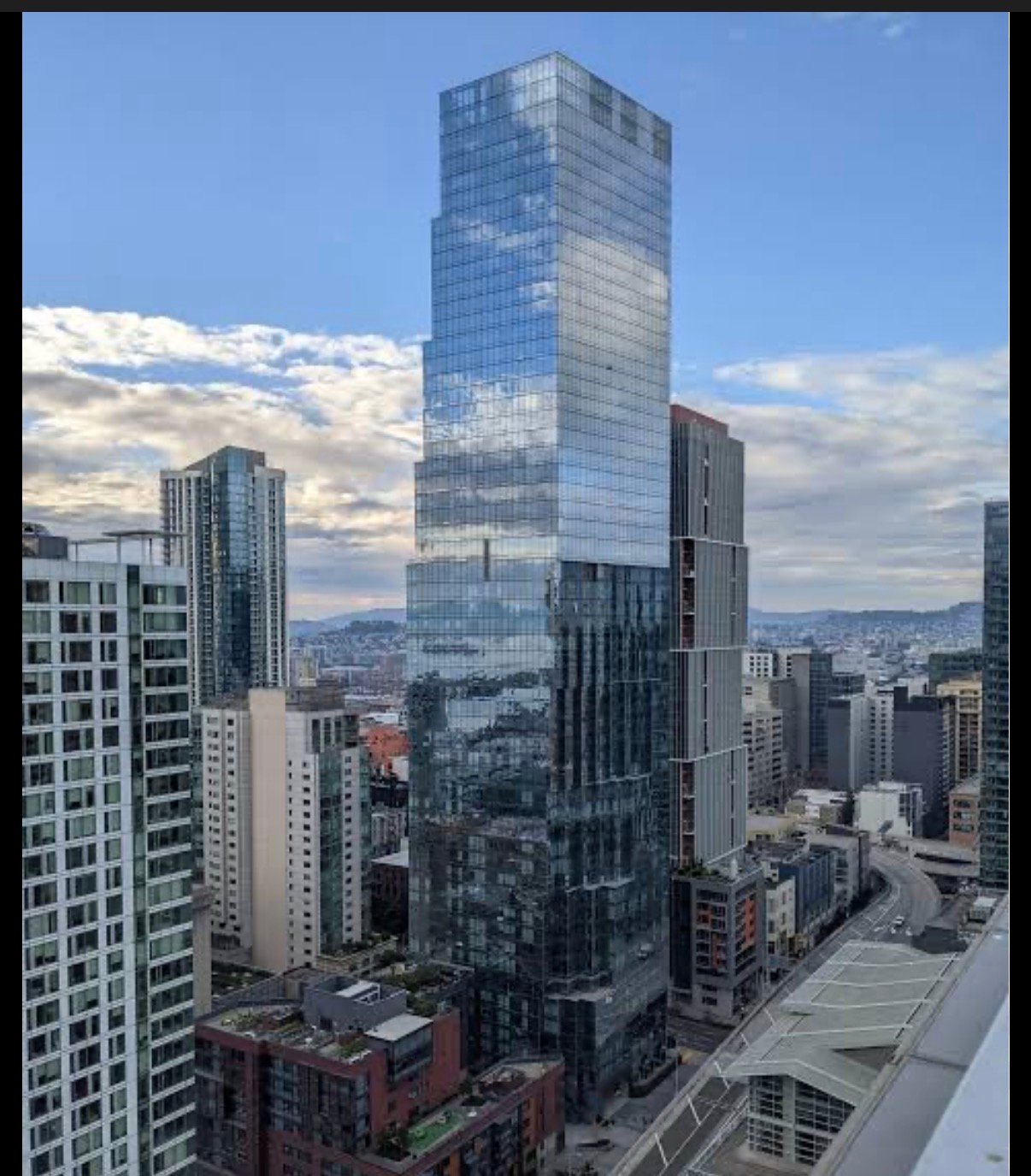
San Francisco Condos for Sale: Buildings, Neighborhoods, HOA Fees, and Buyer Advice

If you are searching for San Francisco condos for sale, the right purchase is about more than square footage and a beautiful view. You also need to compare neighborhoods, building condition, homeowners association costs, reserves, insurance, parking, rental rules, and resale potential before making an offer.
Published August 26, 2026 · Updated August 26, 2026
Which San Francisco neighborhood is right for your condo purchase?
San Francisco condo buyers often begin with a preferred building or price range, then discover that the neighborhood changes the entire ownership experience. Commute patterns, street activity, access to parks, building age, construction type, parking availability, and future resale demand all matter.
The best neighborhood is the one that fits your daily life and your long-term plans: not necessarily the one with the most amenities or the highest building.
Neighborhood | What buyers often find | Questions to ask before buying |
|---|---|---|
South Beach | High-rise and newer condominium communities near the Embarcadero, Oracle Park, and downtown connections | What do the building’s reserves, insurance, rental rules, and parking documents show? |
SoMa | A broad area with newer towers, converted lofts, and differing conditions from one block to the next | How does the specific building compare with nearby South Beach options? |
Hayes Valley | Condominium buildings, newer infill, historic homes, and a highly walkable setting | Are you comparing a full-service condominium with a smaller building or Victorian-style property? |
Mission Bay | Newer residential communities, waterfront access, and proximity to major medical and sports facilities | What are the current homeowners association dues, services, and building obligations? |
Rincon Hill | High-rise living, downtown access, and views that can vary substantially by floor and orientation | Is the premium for height, light, and outlook supported by comparable sales? |
Mission | A neighborhood with distinctive character, restaurants, transit, and a mix of older and newer housing | Is the property a condominium, tenancy in common, or another form of ownership? |
Castro | Historic architecture, neighborhood amenities, and a mix of condominiums and renovated homes | How do building age, seismic work, parking, and natural light affect value? |
Duboce Triangle | Smaller-scale buildings, Victorian architecture, transit access, and proximity to several central neighborhoods | What deferred maintenance or shared-building responsibilities should you understand? |
Dogpatch | A neighborhood with newer development, industrial character, and access to Mission Bay amenities | How will the building’s location, parking, and future neighborhood changes affect resale? |
Potrero Hill | Hillside homes, neighborhood retail, views, and a mix of condominium and smaller-building opportunities | How should you weigh views and quiet streets against hills, transit, and parking? |
You can browse current San Francisco listings and explore Evan’s verified neighborhood pages for South Beach, SoMa, and Hayes Valley.
What types of San Francisco condos are available?
San Francisco’s condominium inventory is not one uniform market. A new high-rise, a converted warehouse loft, a boutique building, and a condominiumized Victorian may all appear in the same search results: but they carry different benefits and risks.
Common categories include:
- Full-service high-rise condominiums: Often offer staffed lobbies, elevators, fitness facilities, common lounges, and other amenities. These services can increase monthly dues.
- Boutique condominium buildings: May have fewer amenities and lower operating costs, but owners may share responsibility for a smaller set of building systems.
- Loft-style condominiums: Often provide open floor plans, high ceilings, and historic or industrial character. Buyers should pay close attention to sound transmission, windows, systems, and alteration history.
- Converted historic buildings: Can offer architectural detail and central locations, but the age and maintenance history of the building deserve careful review.
- Luxury condominiums: May command premiums for views, privacy, concierge services, materials, and amenities. Resale performance still depends on the building’s financial health and comparable sales.
Evan’s experience with San Francisco architecture and his design eye can help buyers look beyond surface appeal. A thoughtful evaluation considers how light enters the home, whether the layout supports the buyer’s lifestyle, and which improvements may add value without overcapitalizing.

How do homeowners association dues affect the true cost of ownership?
Homeowners association dues are a recurring ownership expense. They commonly contribute to shared building operations, maintenance, management, common utilities, amenities, insurance, and long-term reserves. The exact coverage varies by building and must be verified in the current documents.
Do not compare two condos based only on their list prices. Compare:
- Monthly homeowners association dues
- What utilities and services are included
- Reserve contributions
- Recent dues increases
- Approved or proposed special assessments
- Building insurance coverage and deductibles
- Amenities and staffing
- Parking or storage charges
- Any association loans or major upcoming work
All homeowners association fees and building conditions are subject to change. Confirm the current amounts and obligations against the resale package, budget, meeting minutes, insurance information, governing documents, and seller disclosures.
What are reserves and special assessments?
Reserves are funds set aside for significant future repairs and replacements. Depending on the building, those projects may include roofs, elevators, exterior waterproofing, plumbing, mechanical systems, balconies, or seismic work.
A special assessment is an additional charge levied by the homeowners association for an expense that regular dues or existing reserves do not fully cover. A buyer should look for:
- Repeated references to deferred maintenance
- Major projects discussed in meeting minutes
- Low or declining reserve balances
- Pending assessments
- Building loans
- Insurance claims or coverage concerns
- Structural, balcony, façade, or water-intrusion issues
A real estate agent can help you identify questions and organize the documents, but buyers should seek advice from qualified attorneys, engineers, insurance professionals, tax advisors, and homeowners association specialists when appropriate.
How do floor, view, light, and location influence condo value?
Two units in the same building can sell for meaningfully different amounts because of differences that are not obvious in a basic listing search.
Important value factors include:
- Floor: Higher floors may offer views, privacy, and less street noise, while lower floors may provide easier access or outdoor connection.
- View: A protected outlook, water view, skyline view, or open western exposure may influence buyer demand. The permanence of the view should be investigated.
- Natural light: Orientation, window placement, neighboring buildings, and interior finishes all affect how a home feels throughout the day.
- Layout: Efficient rooms, useful storage, separation between bedrooms, and flexible work areas can matter more than raw square footage.
- Parking: Determine whether parking is deeded, assigned, leased, or otherwise governed by the building documents. Confirm whether the right transfers with the unit.
- Location within the neighborhood: A property near transit, parks, retail, the waterfront, or major employment centers may appeal to a different buyer pool than a similar unit several blocks away.
- Condition and presentation: Strategic staging, lighting, paint, furnishings, and photography can help a property’s strongest features come forward when it is time to sell.
Evan’s marketing and advertising experience is especially relevant when a buyer later becomes a seller. The same details that influence your purchase decision: light, layout, views, finishes, and building context: must be presented clearly to future buyers.
What should you know about specific San Francisco condominium buildings?
Building-specific research is essential. A search for “San Francisco condos for sale” tells you what is available today; a building review helps you understand what ownership may look like after closing.
For example, Evan’s portfolio includes property-specific experience with:
Beyond these specific properties, Evan has extensive working knowledge of several frequently searched San Francisco condominium buildings, including MIRA, The Infinity, Lumina, The Avery, 181 Fremont, One Steuart Lane, 300 Ivy, Radiance, and Madrone. His building-specific perspective helps buyers compare amenities, homeowners association documents, parking, floor plans, views, resale considerations, and the ownership details that may not be obvious from an online listing.
These pages illustrate why a property should be evaluated in context. A buyer should ask:
- Where is the building, and what is immediately around it?
- What are the current homeowners association dues, and what do they cover?
- How well funded are the reserves?
- Are special assessments approved, proposed, or discussed?
- What amenities and services are actually included?
- What are the common floor plans and unit sizes?
- Is parking deeded, assigned, leased, or unavailable?
- Are there rental restrictions or owner-occupancy requirements?
- What do the governing documents and meeting minutes reveal?
- How have comparable units performed in resale?

What should a San Francisco condo buyer review before making an offer?
Use this checklist as a starting point:
Review the property
- Confirm the legal unit, square footage, parking, storage, and appliances.
- Evaluate floor, light, views, noise, privacy, and orientation.
- Check permits and disclosures for renovations.
- Consider whether the layout supports your daily routine and future plans.
Review the homeowners association
- Current budget and financial statements
- Reserve information and funding plans
- Recent board and membership meeting minutes
- Governing documents and operating rules
- Insurance summary and earthquake coverage information
- Current and proposed special assessments
- Litigation, claims, or major repair discussions
- Rental, pet, renovation, move-in, and occupancy rules
Review San Francisco-specific risks
The San Francisco Department of Building Inspection and the City’s Earthquake Safety Implementation Program provide resources concerning building safety and the mandatory soft-story retrofit program. The program applies to certain older wood-frame multifamily buildings, but a building’s inclusion or status must be verified directly through official records and qualified professionals.
Also review the Natural Hazard Disclosure for applicable seismic hazards, including liquefaction. A map or disclosure is not a substitute for property-specific engineering advice.
Review taxes and closing costs
San Francisco’s official transfer tax guidance explains how the tax is calculated, common exemptions, and required forms. The amount, exemptions, and responsibility for payment can depend on the transaction and contract. Confirm current figures with your escrow officer, tax advisor, and the applicable City office.
Why work with a San Francisco condo specialist?
Buying a condo can be fraught with uncertainty. You are not only selecting a home; you are also buying into a building, a neighborhood, a homeowners association, and a set of future obligations.
Evan Bliss has lived in San Francisco since 2007, has held a California real estate license since 2012, and brings a background in marketing, advertising, and residential presentation to each client relationship. His role is to help you make calm, strategic decisions: from comparing buildings and reviewing disclosures to formulating an offer based on market evidence.
He is patient, thoughtful, responsive, and available when questions arise. The goal is not to rush you toward a purchase. It is to help you understand the choice well enough to move forward with confidence.
Schedule a private San Francisco condo consultation or view current listings. If you are selling instead, visit the Evan Bliss Real Estate portfolio and request a building-specific market analysis.
What is the next step for finding a San Francisco condo?
Start by identifying your preferred neighborhoods, target monthly ownership budget, parking requirements, building age preferences, and timing. Then compare current inventory with the documents and ownership factors that matter most to you.
Evan can help you formulate a search strategy, compare South Beach with SoMa or Hayes Valley, evaluate a specific building, and prepare for the next step when the right condo appears.
Author: Evan Bliss, Associate REALTOR®
California Department of Real Estate License: 01917132
Contact: [email protected] · (415) 816-9225
Educational disclaimer: This article is for general educational purposes only and does not replace advice from a real estate attorney, insurance professional, tax advisor, structural engineer, geotechnical professional, or homeowners association specialist. Homeowners association fees, reserves, assessments, insurance coverage, building conditions, regulations, taxes, and listing information are subject to change. Verify all details against current resale packages, budgets, meeting minutes, disclosures, official government records, and advice from qualified professionals before making a decision.