
San Francisco Condo Homeowners Association Guide for Buyers and Owners
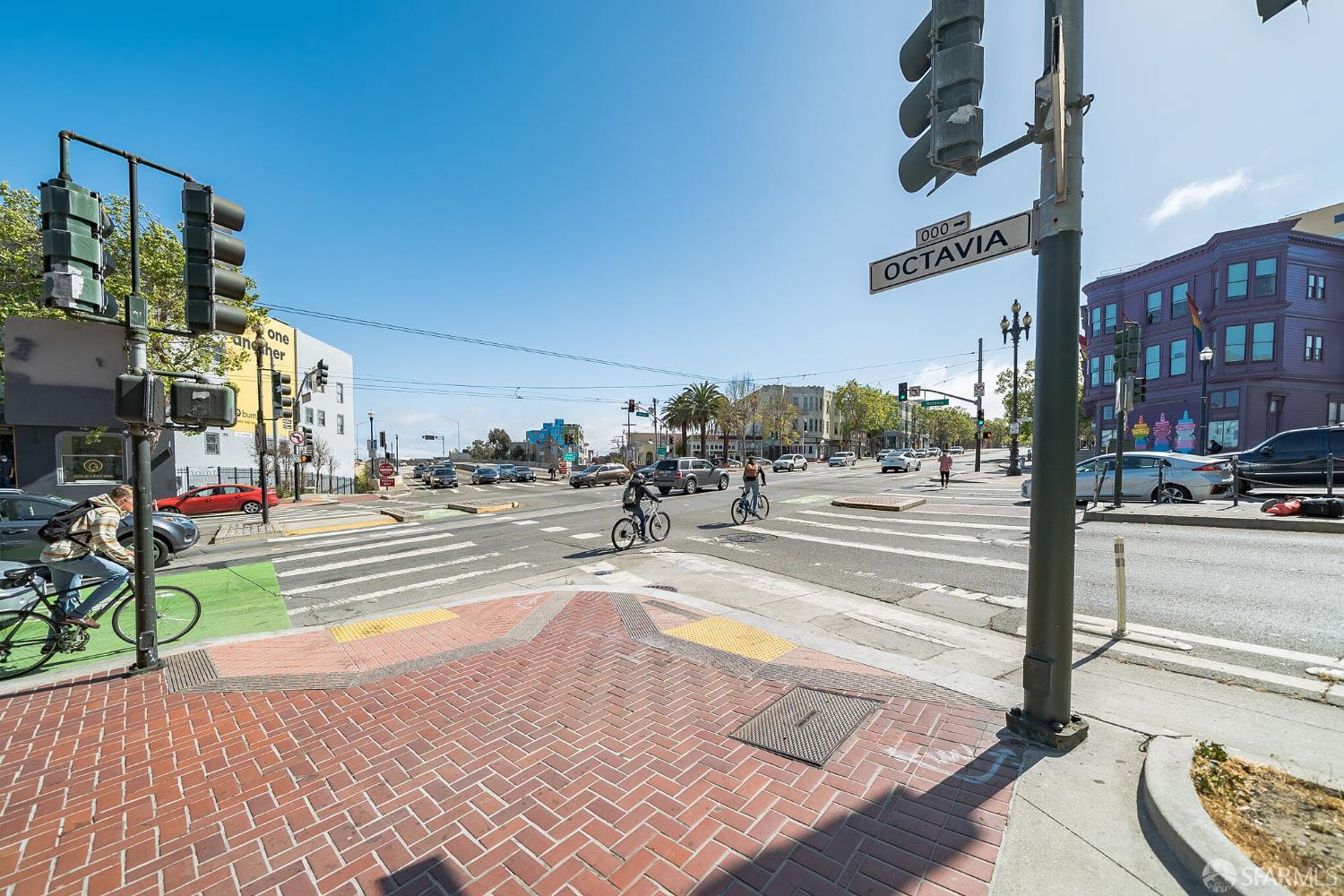
A San Francisco condominium homeowners association manages the shared finances, insurance, maintenance, rules, and long-term obligations of a building. Before buying, refinancing, or selling a condo, review the homeowners association budget, monthly dues, reserve study, meeting minutes, insurance, litigation history, rental restrictions, parking documents, and planned repairs, not just the unit itself.
Why does a homeowners association matter when buying a San Francisco condo?
When you buy a condo, you are purchasing both a private unit and an ownership interest in shared property. The building’s financial health can affect your monthly cost, financing, insurance, quality of life, and future resale value.
A well-maintained building may have higher monthly dues because it is funding professional management, insurance, maintenance, and reserves responsibly. A building with unusually low dues may look attractive at first but could be postponing expensive work.
At Evan Bliss Real Estate, we help buyers evaluate the building, not just the finishes inside the unit. Evan has been a California real estate professional since 2012 and is a licensed REALTOR® with California Department of Real Estate license 01917132. His design eye helps clients assess presentation and livability, while transaction experience helps them ask better questions about disclosures, pricing, and building risk.

What do San Francisco homeowners association dues pay for?
Monthly dues, also called regular assessments, typically contribute to:
- Building insurance and liability coverage
- Exterior maintenance and repairs
- Roof, façade, plumbing, and elevator maintenance
- Lobby, hallways, landscaping, and shared amenities
- Common-area utilities
- Property management and accounting
- Legal and professional services
- Contributions to the reserve fund
The amount varies widely by building, services, unit size, and ownership percentage. All homeowners association fees and building conditions are subject to change and must be verified through current resale packages, budgets, meeting minutes, and disclosures.
A budget should be reviewed alongside prior-year financial statements. Look for recurring deficits, rapidly increasing insurance costs, deferred maintenance, unusually low reserve contributions, and planned increases in dues.
What is a reserve study, and why does reserve funding matter?
A reserve study estimates when major building components may need repair or replacement and how much those projects could cost. Common components include roofs, elevators, exterior paint, waterproofing, plumbing, paving, mechanical systems, and structural work.
Reserve funding is the money the association sets aside for those future obligations. A reserve study may show a percentage-funded figure, but that number is not a complete pass-or-fail test. We also want to know:
- Which projects are coming due?
- Are current costs realistic?
- Has the study been updated recently?
- Is the association following its recommended contribution plan?
- Are repairs being deferred?
- Could the building need a special assessment?
A special assessment is an additional charge to owners for a major repair, unexpected expense, insurance deductible, legal cost, or other obligation. California law generally limits how much a board may increase regular assessments or impose certain special assessments without member approval, but exceptions and governing documents matter. Review current California Civil Code provisions with qualified counsel.
What should buyers look for in homeowners association meeting minutes?
Meeting minutes often reveal issues before they appear in a sales summary. Read at least the most recent 12 to 24 months, if available, and search for recurring discussions about:
- Water intrusion, leaks, or mold
- Roof, façade, window, or balcony repairs
- Elevator outages or replacement planning
- Plumbing failures
- Insurance renewals and premium increases
- Structural inspections
- Pending or threatened litigation
- Owner complaints about noise, pets, rentals, or maintenance
- Special assessments or proposed dues increases
- Contractor disputes or disagreements among board members
Minutes do not replace professional review, but they can show whether a problem is isolated, resolved, recurring, or still being discussed.
What building and ownership issues deserve special attention in San Francisco?
Issue | What it may affect | What to request |
|---|---|---|
Low reserves | Future dues increases or special assessments | Current reserve study and funding plan |
Pending assessment | Immediate or future cash obligation | Assessment notice, purpose, amount, and payment schedule |
Litigation | Financial exposure, financing, insurance, and resale | Lawsuit information and insurance response |
Earthquake coverage | Repair responsibility after an earthquake | Master policy, deductible, exclusions, and loss-assessment details |
Exterior elevated elements | Balcony, deck, stair, or walkway safety | Inspection report and repair funding |
Soft-story concerns | Seismic compliance and retrofit costs | San Francisco Department of Building Inspection records |
Rental restrictions | Investment flexibility and leasing plans | Declaration, bylaws, rules, and rental-cap information |
Parking documents | Ownership, use, resale, and value | Deed, map, parking agreement, and homeowners association rules |
Maintenance boundaries | Who pays for windows, plumbing, decks, and systems | Declaration, maintenance matrix, and prior repair records |
Exterior elevated element inspections under California law
California Civil Code Section 5551, created by Senate Bill 326, addresses certain exterior elevated elements in qualifying condominium projects. These may include balconies, decks, stairways, walkways, and related structures that are elevated above the ground and supported partly by wood or wood-based products.
Ask whether the building has completed the required inspection, what the report found, whether repairs were recommended, and whether those costs were incorporated into the reserve plan. Review the California Legislative Information bill text for Senate Bill 326.
Soft-story and seismic issues
A soft-story building has a weaker or more open lower level, often because of garages, large openings, or commercial space. San Francisco’s seismic programs may affect certain older multi-unit buildings.
Check the San Francisco Department of Building Inspection earthquake safety rules, the Earthquake Safety Implementation Program, and any permits, notices, or compliance records tied to the property.
Earthquake and homeowners association insurance
A standard homeowners association master policy may cover common areas and the building against certain risks, but earthquake coverage is often separate. Even when earthquake insurance exists, the deductible may be substantial.
Ask for:
- The master insurance summary
- Property and liability limits
- Earthquake coverage, if any
- Deductibles
- Exclusions
- Claims history
- Whether owners could be assessed for a deductible
The California Department of Insurance earthquake guide explains important coverage distinctions. Your personal condominium policy may also need loss-assessment coverage. Discuss the details with a licensed insurance professional.
What should a buyer request before writing an offer?
Whenever possible, request and review:
- Current homeowners association budget
- Prior-year financial statements
- Current reserve study
- Reserve funding disclosure
- Recent meeting minutes
- Special-assessment notices
- Litigation disclosures
- Master insurance summary
- Declaration, bylaws, and rules
- Rental restrictions and leasing policies
- Move-in, move-out, renovation, and elevator rules
- Parking and storage documents
- Structural, balcony, façade, roof, or seismic reports
- Seller disclosures and the current resale package
The exact contents of a resale package vary. Coordinate the review with your real estate agent, lender, attorney, insurance professional, and other specialists as appropriate.
How do homeowners association rules affect owners?
Rules may govern pets, noise, renovations, flooring, short-term rentals, leasing, move-ins, move-outs, storage, parking, and use of common areas.
An owner move-in rule usually concerns scheduling, elevator reservations, deposits, insurance certificates, and building protection. It is separate from San Francisco’s rent-control and owner-move-in laws, which may apply to tenants and rental housing. Do not assume that a homeowners association rule answers every legal question about occupancy or eviction.
Parking also deserves careful review. A parking space may be deeded, assigned, leased, licensed, or available by rotation, and these terms are not interchangeable:
- Deeded parking: The space is identified in the property’s deed, condominium plan, or title documents. It generally transfers with the unit, but the exact rights and restrictions must be confirmed.
- Assigned parking: The homeowners association designates a particular space for the unit’s use. The space may not be separately owned and the assignment may be governed by the declaration, bylaws, or association rules.
- Leased parking: The owner or association leases the space for a defined period. The lease may have renewal terms, separate fees, transfer limits, or expiration provisions.
- Licensed parking: The owner receives permission to use a space, but a license is generally a use right rather than ownership of the space. Review whether the right transfers when the unit is sold.
- Rotational or unassigned parking: Owners may share or rotate access to available spaces according to building rules. A particular space may not be guaranteed.
- No parking included: The unit may have no associated parking right, even if parking is available nearby or can be rented separately.
Confirm exactly what transfers with the unit, whether the space is separately titled, whether it can be sold or leased independently, whether electric-vehicle equipment belongs to the unit or association, and how the parking arrangement is reflected in the deed, condominium plan, parking agreement, and homeowners association rules. Parking details and building conditions are subject to change and must be verified against current documents.
How should buyers evaluate a specific San Francisco condo building?
Building research should combine current documents with recent sales, not generic online fee estimates. This is especially important when comparing communities such as Lumina, The Infinity, MIRA, 181 Fremont, The Metropolitan, The Beacon, 425 1st Street, 501 Beale, 300 Ivy, O Octavia, and 8 Octavia.
Evan’s current San Francisco property search can help buyers identify available units. The site also includes a past 8 Octavia property page and a 450 Hayes Street transaction page, where building fees, parking, amenities, and unit-specific details illustrate why property-level review matters.
For neighborhood context, explore South Beach, SoMa, and Hayes Valley.
San Francisco condo homeowners association document-review checklist
Before removing contingencies or committing to a purchase, ask:
- Are reserves adequate for the building’s age and major components?
- Are any special assessments approved, proposed, or discussed?
- Do meeting minutes reveal unresolved maintenance concerns?
- Is the building adequately insured?
- Are earthquake coverage and deductibles understood?
- Has the building completed required exterior elevated element inspections?
- Is there a soft-story or other seismic concern?
- Are rentals, pets, renovations, or move-ins restricted?
- Does the parking arrangement match the marketing description?
- Do current documents differ from older listing information?
Glossary
- Homeowners association: The organization that manages shared condominium property.
- Regular assessment: Monthly or periodic homeowners association dues.
- Reserve fund: Money set aside for major future repairs.
- Reserve study: A report estimating repair timing and cost.
- Special assessment: An additional charge for a major or unexpected expense.
- Resale package: The collection of governing, financial, insurance, and disclosure documents provided for a sale.
- Exterior elevated element: An elevated balcony, deck, stair, or walkway covered by applicable inspection rules.
- Master policy: The homeowners association’s insurance for covered building and common-area risks.
- Rental cap: A limit on the number or percentage of units that may be leased.
Frequently asked questions
Are San Francisco homeowners association fees subject to change?
Yes. Dues can change because of insurance, utilities, staffing, maintenance, reserves, inflation, repairs, or board decisions. Verify the current amount through the latest budget and resale package.
Do high homeowners association fees mean a building is financially healthy?
Not necessarily. Higher dues may reflect strong services and responsible reserves, while low dues may indicate deferred maintenance. Review the full financial picture.
Can a homeowners association issue a special assessment?
Yes, subject to California law, the governing documents, required approvals, and applicable exceptions. Ask whether one is approved, proposed, or anticipated.
Does the homeowners association master policy cover earthquake damage?
Not always. Earthquake coverage, deductibles, and exclusions vary. Review the policy summary and speak with a licensed insurance professional.
Should I review homeowners association documents before making an offer?
Yes, when available. If documents are not available beforehand, work with your agent and legal advisors to structure appropriate review and contingency protections.
Get a building-specific review before you commit
A condo can look perfect inside and still carry financial or ownership issues that affect your decision. Evan can help you formulate the right questions, compare buildings, review available documents, and connect you with appropriate professionals.
- Browse current San Francisco condo listings
- Read Evan’s San Francisco Buyer’s Guide
- Request a private building consultation
- Request a building-specific resale analysis or home valuation
Partner with Evan Bliss, REALTOR®, California Department of Real Estate 01917132, for a thoughtful, well-prepared San Francisco condo journey.
Official resources
- California Legislative Information
- California Civil Code Section 5551
- San Francisco Department of Building Inspection earthquake rules
- San Francisco Earthquake Safety Implementation Program
- California Department of Insurance earthquake information
- San Francisco Assessor-Recorder transfer tax information
- San Francisco Assessor-Recorder
Updated August 26, 2026
Important disclaimer: This guide is educational and is not legal, tax, insurance, engineering, financial, or homeowners association advice. Real estate regulations, insurance requirements, building conditions, fees, and documents can change. Consult a real estate attorney, tax advisor, insurance professional, licensed engineer, or homeowners association specialist before making a decision.